
 alice
A stress free wedding comes down to three things: deciding what matters most to you as a couple, building a realistic plan around it, and handing off everything you don’t need to hold yourself. Most couples can get there with a few focused planning sessions, a shared timeline, and a small circle of people they trust.
Why does this work? Wedding stress rarely comes from the big day itself. It builds in the months before, when dozens of small decisions pile up with no clear order and no one owning them. Couples who feel calm on the day usually did the same few things early: they picked their top priorities, set a budget they both agreed on, and gave every task a name and a deadline.
Professional planners will tell you the same thing. The couples who glide through their weddings aren’t the ones with the most elaborate plans. They’re the ones who knew which details to let go of.
This guide walks you through exactly what you’ll need, the warning signs that tell you it’s time to pause, and a step-by-step process for planning with confidence. You’ll also find a final checklist to make sure nothing slips through. Settle in. Your wedding can feel joyful from the first decision to the last dance.
What You Need Before You Begin: Your Stress-Free Planning Toolkit

Build Your Dream Team: Planners, Florists, Photographers and Stylists
Choosing the right professionals is one of the kindest things you can do for your future self. When your planner, florist, photographer, and stylist all know their craft and communicate clearly, you stop carrying every small decision around in your head. You can hand over a detail and trust that it’s handled.
Start with the planner, because they often help you find everyone else. A good one knows which florists deliver on time and which photographers keep a gentle, unhurried presence. Then look at how each person works with you, not only at their portfolio. A stunning gallery matters less than a vendor who answers questions within a day, explains next steps plainly, and never leaves you guessing.
Pay attention to the first few emails. Do they sound organized and calm? Do they ask about your vision before quoting a price? That early rhythm usually predicts how the whole experience will feel, right up to the moment you’re having your hair finished on the morning of the wedding.
Small things reveal a lot. A vendor who sends a clear contract, confirms details in writing, and mentions possible hiccups before you do is protecting your peace of mind. Choose the people who make you feel relaxed after every conversation, and you’ll have built a team that quietly keeps the stress away.
Gentle Warnings: Common Stress Triggers and When to Pause
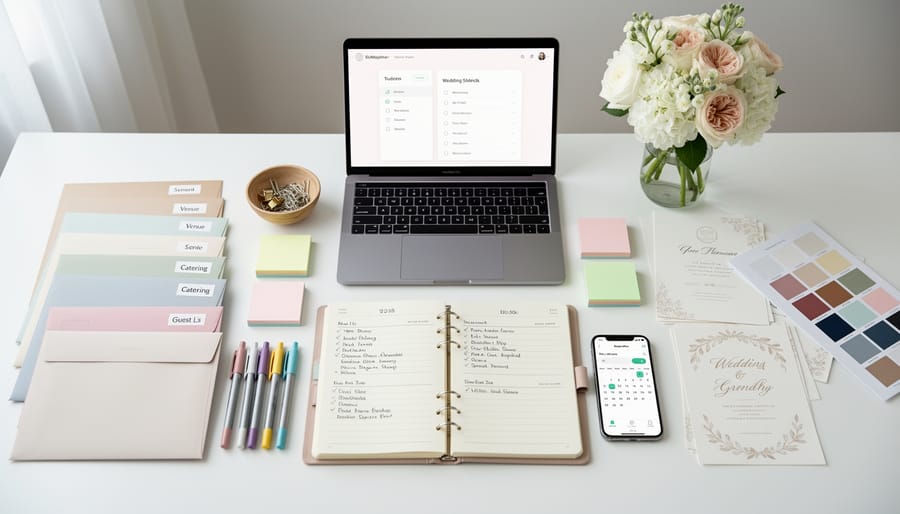
Even the calmest planning journeys have a few bumpy moments, and knowing where they tend to appear is half the battle. Think of these as gentle signposts rather than red flags. When you spot one, take a breath, pause, and reset.
Impulse spending is the most common trap. A gorgeous centerpiece or a “limited-time” package can pull you off budget in a single afternoon. Before you say yes to anything new, sleep on it for 24 hours and check it against your master budget. If it doesn’t fit, it’s perfectly fine to let it go.
Another trap is trying to please everyone. Family and friends mean well, but a wedding that answers every opinion rarely feels like yours. Choose one or two trusted voices, thank the rest warmly, and keep your priorities close.
Booking too quickly can also create stress later. Meet at least two or three vendors in each category, ask about communication style, and read every contract line by line. A good professional will happily give you time to review.
Finally, protect your rest. Planning can quietly swallow evenings and weekends, so schedule a wedding-free date night each week and keep your sleep, meals, and movement steady. A well-rested couple makes clearer decisions and enjoys the day far more.
Here’s a simple rule of thumb: if a choice leaves you anxious rather than excited, stop, talk it through together, and return to it when you both feel calm. That small pause is often the most powerful stress-free wedding planning tool you have.
How to Plan a Calm Wedding, Step by Step
Start With Priorities, Budget and Guest List
Before you book a single vendor, sit down together and name your top three priorities. Not ten, not five. Three. Maybe it’s the photographer who will capture every happy tear, the food your guests will still talk about next year, or the dress that makes you feel like yourself. Whatever rises to the top, that’s where your time and money go first.
Everything else can stay simple, and that’s where the calm comes from. Once you know what matters, a lot of decisions make themselves. Do you really need custom signage, a seven-piece band and a dessert table the size of a car? Probably not, if none of those made your list.
I think about one couple who chose photography, live music and a long, relaxed dinner as their three. They kept the florals seasonal and modest, skipped the favors, and sent a simple online invitation. On the day, they told me they felt almost strangely peaceful. Nothing was fighting for their attention, so they spent the evening dancing instead of fixing details.
Then set your budget around those priorities, and build your guest list with the same honesty. A smaller list often means a bigger budget per person and fewer opinions to juggle. If a traditional format feels like a stretch, a non-traditional wedding can keep the heart of the day while letting go of the rest.
Book Vendors and Plan Your Look Without the Rush
Booking order is a quiet superpower for calm planning. Lock in the big-ticket, in-demand vendors first, usually your venue, photographer, and caterer, then move on to florals, music, and stylists once your date is secure. Everything else tends to fall into place around those anchors.
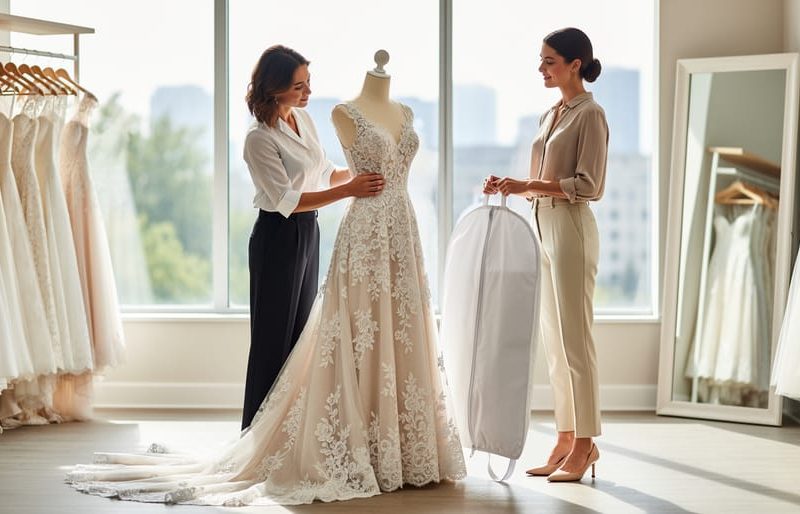
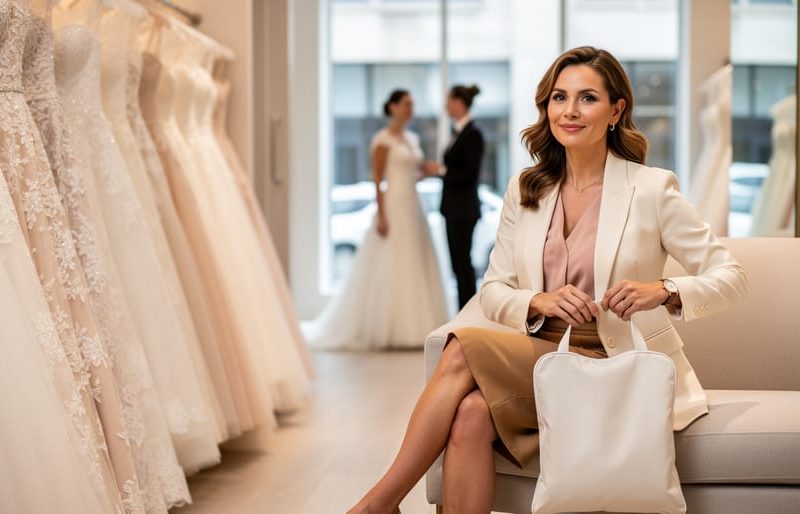
Your look deserves the same unhurried approach. Start your search early, and before heading out, skim a few dress shopping tips so you walk into appointments knowing your budget, silhouettes, and timeline. A little preparation helps you say yes to the gown with confidence instead of pressure. It also helps to brush up on dress etiquette so every boutique visit feels relaxed and gracious. And if you’re bringing your mom or bridesmaids along, a few shopping outfit ideas can make their day easier too.
Once the dress is chosen, book fittings and beauty trials right away. Most alterations need several visits, and the best artists fill their calendars months ahead.
Here’s an insider tip from makeup artists: schedule your trial six to eight weeks before the wedding, not the week before. That gives you room to tweak a shade, rethink a lip color, or adjust your hair after you’ve seen the photos. Then build in a buffer of at least two weeks between your final fitting and the big day, so a surprise hem change or a last-minute tweak never turns into a scramble. Brides who plan this way often tell us the morning of feels pleasantly, almost startlingly, calm.
Create a Timeline and Hand Off the Details
A simple day-of timeline is one of the quiet secrets behind truly stress free weddings. It doesn’t need to be fancy. A single page listing hair and makeup start times, when the photographer arrives, first look, ceremony, dinner, and send-off is plenty. Share it with every vendor and your wedding party a week ahead, so everyone is working from the same plan.
Then comes the part many couples skip: handing off the details. Make a short helper list that names who does what. One friend greets vendors, another gathers the gifts and cards, a cousin keeps an eye on the cake and flowers. Each person gets one clear job, which keeps it light for them too.
One couple I heard about found this out in the best way. Their maid of honor carried a small folder with the timeline, vendor numbers, and a safety-pin kit. When the florist arrived twenty minutes late, the bride never knew. Her friend quietly redirected the setup, and the bride spent that time laughing with her mother over breakfast.
Giving up a little control is what lets you actually be present. You’ve done the planning, so let your people carry it from here.
Check Your Progress: Confirming Everything Is Ready and What Comes Next
About two to four weeks before the wedding, take one calm afternoon for a final readiness check. Think of it as a gentle walkthrough rather than a test. You’ve done the hard part already, and this is simply your chance to confirm that everything is where it should be.
Start with your vendors. Send each one a friendly note to confirm arrival times, locations, and any special requests. Then lock in your final headcount with your venue and caterer, and make sure seating and meal choices match. Settle any remaining balances, and ask your planner or a trusted helper to keep a simple payment tracker so nothing slips through the cracks.
Next, look at your look. Do a last dress or suit fitting, gather your shoes, jewelry, veil, and rings, and set them somewhere safe. Pack a small emergency kit with safety pins, blotting papers, pain relievers, a sewing kit, mints, and a phone charger. A little preparation here buys a lot of peace on the day.
In the days leading up to the wedding, keep things light. Share the timeline with your helpers, get a good night’s sleep, and say yes to a little pampering. Then, once the celebration ends, turn your attention to the honeymoon: confirm your travel documents, pack with ease, and let the next chapter begin.
Your Questions About Stress Free Weddings, Answered

Planning a wedding raises a lot of questions, and that’s completely normal. Here are the ones couples ask us most, answered with a calm heart.
How early should we start planning?
Many couples feel most relaxed starting nine to twelve months ahead, which leaves room to book vendors without rushing. A shorter engagement works beautifully too if you keep your priorities simple.
Is a wedding planner worth it?
If you want someone to hold the details so you can enjoy the process, a planner can be a wonderful investment. Even a day-of coordinator brings a steady presence that couples often say they’d never skip.
How do we handle strong family opinions?
Listen warmly, thank them for caring, and then return to the three things that matter most to the two of you. Inviting family to honor wedding traditions that mean something to them is a lovely way to include everyone without giving up your vision.
Can we plan a calm wedding on a small budget?
Absolutely. Choose your top priorities, spend there, and keep everything else simple, because a smaller guest list and a few heartfelt details often feel more relaxed than a grand production.
One last thought: if a little something goes sideways on the day, you’re in good company. A forgotten item or a delayed arrival rarely touches the guests, and the couples who smile and keep moving are usually the ones whose photos glow the most. Your emergency kit and a trusted helper will handle the rest, so you can simply be present with the person you love.
You have everything you need to make this journey feel lighter. A clear system, a calm team, and a few well-placed pauses turn the to-do list into something you can actually enjoy. Stress free weddings aren’t about perfection. They’re about choosing what matters, trusting the people beside you, and leaving room to breathe.
On your wedding morning, you’ll be glad for every small decision you made early. The fittings that happened without a rush, the timeline a friend quietly managed, the emergency kit tucked in a corner. All of it lets you be fully present for the moment you’ve been dreaming about.
Keep that calm close as you move forward. When you’re ready for more inspiration, BC Weddings is full of planning tips, beauty trends, and honeymoon ideas to help you savor every step. You’ve got this, and the best part is still ahead.