 alice
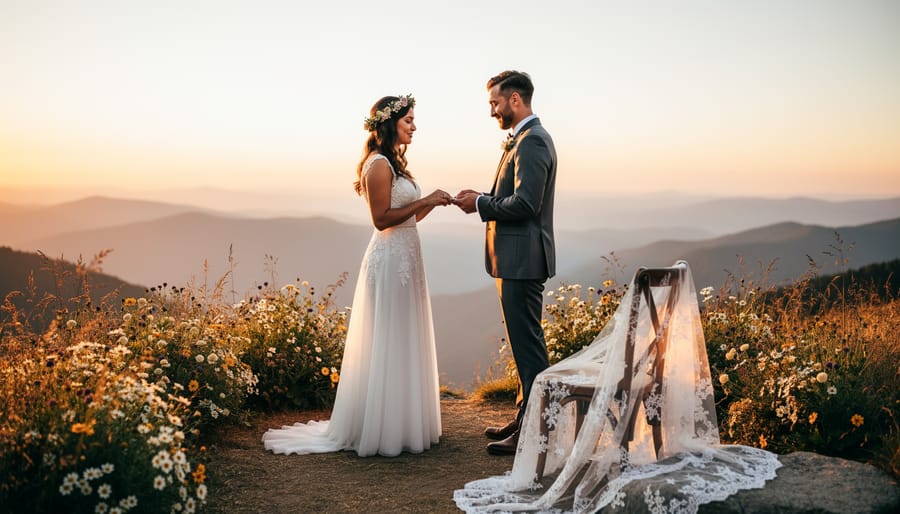
aliceYou can honor the traditions that matter while creating a wedding that truly reflects your relationship by reimagining rituals rather than abandoning them entirely. The key is understanding which elements carry personal or family significance, then adapting their form while preserving their meaning. This approach lets you walk down an aisle lined with wildflowers instead of rose petals, exchange heirloom rings during a sunset ceremony on a mountaintop, or blend your grandmother’s blessing into vows you’ve written yourselves.
The tension between wanting something uniquely yours and respecting family expectations is one of the most common struggles couples face during wedding planning. You’re not alone if you’ve felt torn between your vision of an intimate backyard celebration and your parents’ hope for a traditional church ceremony. According to wedding planners working with modern couples, nearly 70% of their clients request some form of tradition-blending, seeking that sweet spot between innovation and heritage.
What makes a wedding non-traditional isn’t the absence of ritual. It’s the intentional choice to question which conventions serve your story and which don’t. Some couples keep the cake cutting but skip the bouquet toss. Others write their own ceremony from scratch while wearing their mothers’ veils. The freedom lies in treating tradition as a menu of options rather than a mandatory checklist, giving yourself permission to curate an experience that feels authentic to both of you while still honoring the people and customs that shaped your lives.
What Makes a Wedding ‘Non-Traditional’ in 2026
A non-traditional wedding isn’t defined by what you skip, it’s defined by what you choose deliberately. In 2026, the lines have blurred enough that “non-traditional” no longer means rebelling against everything your parents did. Instead, it describes weddings where the couple acts as the architect rather than following a preset blueprint handed down by etiquette books or venue coordinators.
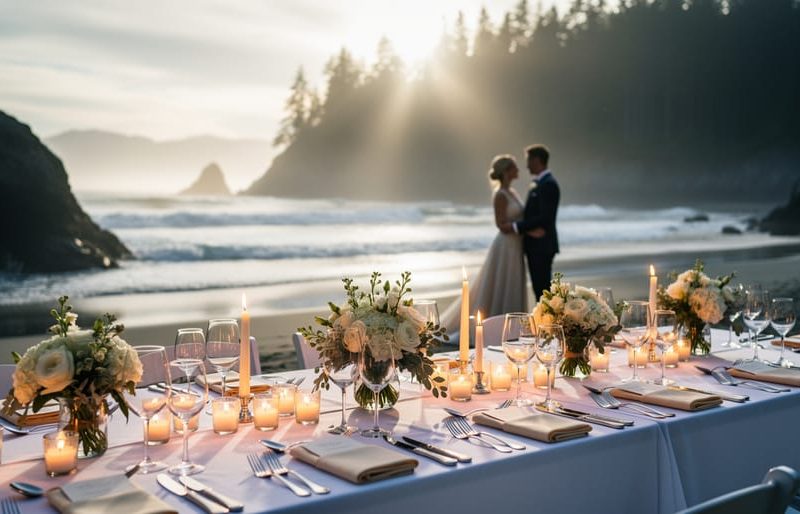
The shift is fundamental: traditional weddings follow a script (ceremony at a church or banquet hall, reception with specific sequence of events, formal attire, seated dinner), while non-traditional weddings ask “what serves us?” at every decision point. You might keep your grandmother’s veil and write your own vows. You could have a seated plated dinner but skip the bouquet toss. The ceremony might happen in your backyard at sunset with your dog as ring bearer, followed by tacos from a food truck your partner proposed beside.
What sets non-traditional weddings apart isn’t the absence of tradition, it’s the presence of intention. These celebrations prioritize personal meaning over meeting external expectations. The couple might blend rituals from two different cultures, invent entirely new symbolic acts, or honor one family tradition while politely declining another.
The biggest misconception? That choosing a non-traditional path means disrespecting your family or having a “lesser” wedding. In reality, many non-traditional weddings are deeply reverent, they just direct that reverence toward what genuinely matters to the couple rather than performing rituals out of obligation. A backyard ceremony can honor your parents’ marriage just as meaningfully as replicating their church wedding, especially if you incorporate elements that nod to their story while creating your own.
By 2026, most guests have attended enough weddings to appreciate authenticity over conformity. They remember the personal touches, not whether you followed tradition’s checklist.
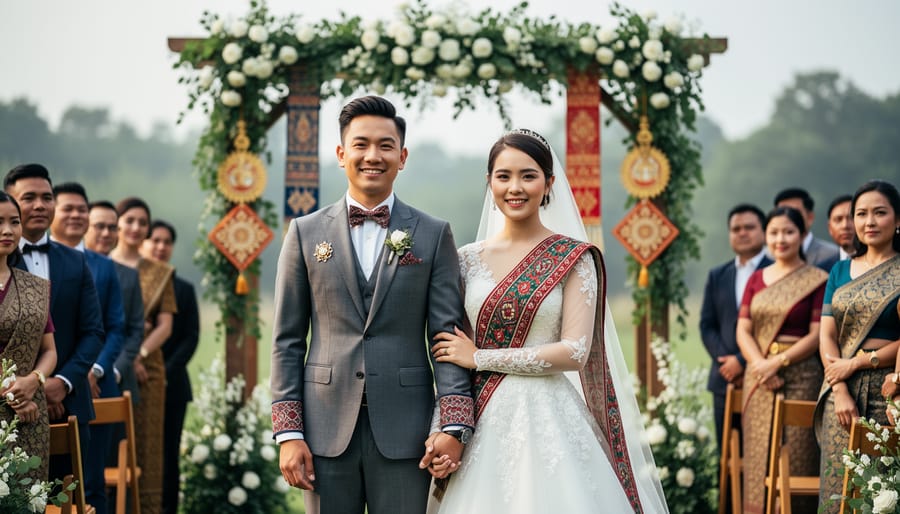
The Art of Selective Tradition: Choosing What Stays
Start by asking yourselves a simple question: if no one else had expectations about your wedding, what would you genuinely want to include? This thought experiment strips away the noise and helps you identify which traditions you’re drawn to because they’re meaningful versus which ones you’re considering because they’re expected.
Make two lists together. The first captures traditions that genuinely resonate with you, perhaps your mother’s veil makes you tear up, or the hora at your cousin’s wedding created the most joyful moment you’ve ever witnessed. The second list holds everything that feels like an obligation. You’re not committing to either list yet. You’re just getting clarity on what matters and what doesn’t.
Now consider your families. Which traditions would hurt someone you love if you skipped them? This isn’t about caving to every demand, but about recognizing where a tradition carries genuine emotional weight. Your grandmother who survived war and treasures the family wedding ring isn’t in the same category as a future in-law who thinks all weddings should have chicken dance receptions.
When you’re ready to talk with parents, start with curiosity rather than announcements. Ask them which wedding traditions meant the most at their own celebration and why. You’ll often discover that what they care about isn’t the specific ritual but the underlying meaning, connection, legacy, celebration. That opens space for creative solutions. Maybe your father doesn’t need to “give you away” in the traditional sense, but he does want a significant role in your ceremony. Walking you both down the aisle together might honor his desire while matching your values.
Give everyone involved permission to explain their reasoning. “We’d love Dad to walk me down the aisle because that’s what’s done” gets a different response than “It would mean everything to him because you’re his only daughter.” The first is about convention. The second is about love.
The goal isn’t to please everyone or to rebel against everything. It’s to build a day where the traditions you include are there because they add meaning, beauty, or connection to your celebration. Everything else? You can let it go without guilt.
Reimagining Classic Traditions for Your Modern Love Story
The Walk Down the Aisle (Reimagined)
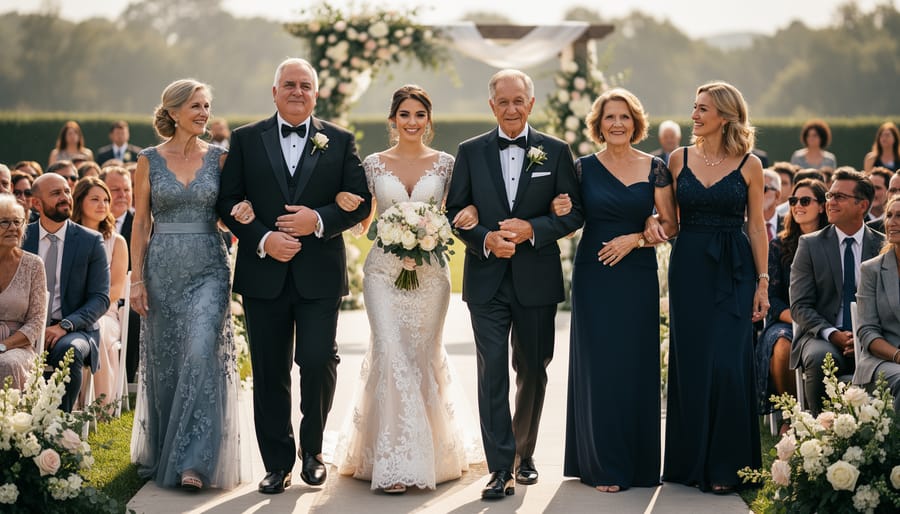
The traditional father-daughter walk carries deep symbolism, but it doesn’t speak to everyone’s story. Some couples walk down the aisle together, side by side, because they’ve already built a life before this moment. It’s honest and equal, and guests often find it unexpectedly moving.
Others choose both parents to accompany them, honoring the full family unit that raised them. Single parents, stepmothers, or chosen family members can fill this role just as meaningfully. One recent bride walked halfway with her father, then met her partner in the middle where they continued together, a visual representation of their past and future merging.
Walking solo makes a powerful statement too. You’re not being given away; you’re choosing to come forward. Some couples skip the processional entirely, beginning the ceremony already standing together or seated among guests in a circle. The surprise of this reversal, no grand entrance, just quiet presence, can feel remarkably intimate.
The key is matching the entrance to your relationship’s truth, not the venue’s expectation.
Vows and Ceremony Structure
The words you speak to each other don’t need to follow a script written centuries ago. Many couples blend the familiar “in sickness and in health” framework with specific promises that reflect their actual relationship, like vowing to always make coffee for the other, to support each other’s creative projects, or to maintain separate hobbies that keep them interesting to one another.
Your ceremony structure can flex too. Instead of the standard officiant-led format, consider a circular seating arrangement where guests surround you, creating intimacy rather than performance. Some couples pause mid-ceremony for a private vow exchange, then share different public promises with their community. Others weave in rituals from different traditions, a handfasting ceremony followed by breaking the glass, or exchanging rings while standing in a sand ceremony circle.
The key is intentionality. If you’re including a unity candle or wine ceremony, know why it matters to you beyond “people expect it.” The most moving ceremonies happen when couples strip away everything that feels like theatrical obligation and keep only the elements that genuinely represent their commitment.
Reception Traditions with a Twist
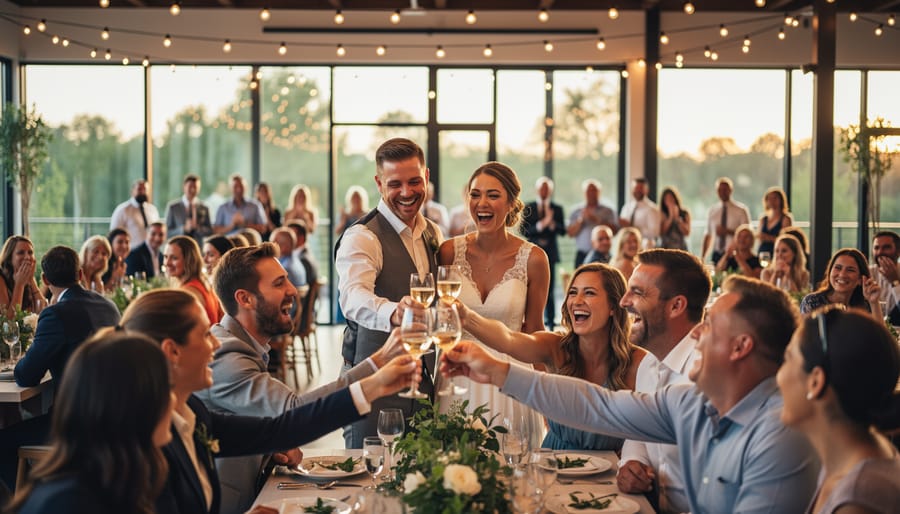
Reception traditions often feel like items to check off a list rather than genuine celebrations. But with a few creative adjustments, these moments can become highlights that actually reflect who you are as a couple.
First dances don’t need to be stiff waltzes to slow ballads. One couple we featured did a choreographed swing dance to their favorite upbeat song, while another skipped the traditional spotlight entirely and invited everyone onto the floor immediately for a group dance-off. Some couples choose a private first dance during cocktail hour, then join guests for a party-starting entrance instead.
Bouquet tosses have evolved beyond the single-women-only tradition. Consider a “anniversary dance” where the longest-married couple wins the bouquet, or toss small flower arrangements to anyone who wants one. One bride created a “passing the bloom” moment, giving her bouquet directly to a friend getting engaged soon.
Cake cutting can become a dessert bar reveal, a donut tower toppling, or a champagne tower pour. The key is keeping the celebratory moment while ditching any ritual that feels forced or outdated.
Attire That Honors Heritage and Personal Style
Your wedding attire can tell multiple stories at once, honoring your roots while expressing who you are today. The key is layering tradition into your look rather than letting it dictate the entire aesthetic.
Start with one meaningful traditional element as your anchor. A grandmother’s lace veil can crown a sleek jumpsuit. A parent’s wedding jewelry works beautifully with a colored gown. Cultural garments like a Chinese qipao or Indian lehenga can appear for part of the day, perhaps the ceremony or reception entrance, while you wear something more contemporary for the rest.
Consider reimagining traditional pieces in unexpected fabrics or silhouettes. One couple had the bride’s mother’s wedding dress fabric sewn into a modern cape. Another wore his grandfather’s military jacket over tailored trousers instead of a full uniform.
Mix eras and cultures freely if that reflects your story. Pair a Mexican embroidered huipil with modern trousers, or wear a Scottish tartan sash with a minimalist dress. The contrast often creates something more striking than matching everything perfectly.
What matters is that you feel like yourself, just elevated.
Blending Traditions from Multiple Cultures or Backgrounds
When you’re bringing together two different cultural or religious backgrounds, the goal isn’t to create a wedding that’s half-and-half, it’s to weave something entirely new that honors both heritages without making guests feel like they’re attending two separate events.
Start by identifying the core elements from each tradition that carry the most meaning. Rather than including every possible ritual, focus on the ones that tell your story. A Chinese tea ceremony followed by a traditional Jewish hora works beautifully when you explain why each matters to your families and give them equal weight in the flow of your day. The key is integration, not segregation, think about how the elements can speak to each other rather than standing in isolation.
Timing and context matter enormously. Some couples place cultural rituals at natural transition points: a sake ceremony during cocktail hour, a mehndi party the night before, or traditional blessings woven into the ceremony itself. This prevents the day from feeling like a checklist and gives each tradition the space it deserves. You’re not performing diversity for your guests; you’re living it.
“The most successful multicultural weddings don’t announce themselves, they simply reflect the couple’s life together. When traditions are integrated with intention rather than obligation, guests feel the authenticity.”
Education goes a long way toward making everyone comfortable. Brief printed programs explaining what’s happening and why transform potentially confusing moments into meaningful ones. When your Irish grandmother understands that the jumping of the broom isn’t random but a beautiful African-American tradition symbolizing your new beginning, she’s invested in that moment. When your Hindu relatives see that you’ve researched the significance behind the chuppah, they recognize the care you’ve taken.
The biggest pitfall is avoiding performative appropriation incorporating elements without understanding or personal connection just because they look beautiful. If neither of you has Celtic heritage, Celtic handfasting isn’t yours to borrow. But if your grandmother is Nigerian and his family is Mexican, combining Yoruba and Catholic traditions isn’t appropriation, it’s your story.
Work with officiants, vendors, and family members who understand both traditions. A caterer experienced in kosher and halal requirements can create a menu that respects both dietary laws without compromise. An officiant who’s performed interfaith ceremonies brings the nuance needed to balance religious elements respectfully.
The result should feel seamless, not staged, a genuine celebration of who you both are and the family you’re creating together.
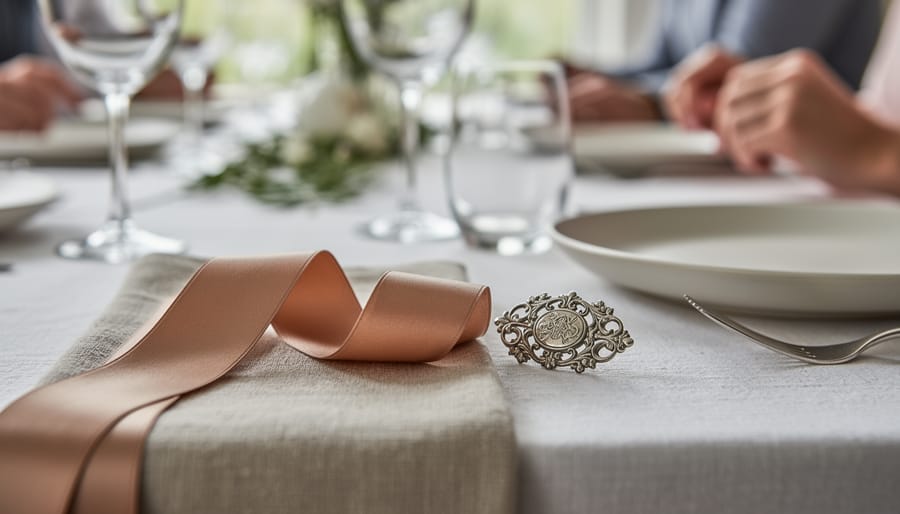
Creating New Traditions That Feel Like ‘You’
Some of the most touching wedding moments happen when couples create traditions that didn’t exist before them. These invented rituals carry just as much meaning as century-old customs, sometimes more, because they’re designed specifically for your relationship.
Start with Your Story
Think about the moments that define your relationship. Maya and Jordan, who met on a hiking trail, invited their guests to add small stones to a cairn during cocktail hour, each rock representing a wish for their marriage. By the end of the evening, they had a physical monument to their community’s support, built the same way they built their relationship: one adventure at a time.
Your shared passions, inside jokes, or defining experiences all offer raw material for new traditions. Book-loving couples have created literary unity ceremonies where guests contribute favorite titles to their first shared library. Food-obsessed pairs have replaced cake cutting with collaborative cooking demonstrations. One couple who traveled extensively together had guests sign vintage maps from countries they’d visited, creating art that now hangs in their home.
Rituals That Reflect Your Values
New traditions can also embody what matters to you as a couple. Environmental activists Emily and Sam planted a sapling during their ceremony instead of lighting a unity candle, promising to tend it together as their marriage grew. LGBTQ+ couple Alex and River, whose families initially struggled with acceptance, created a “chosen family blessing” where supportive friends and relatives physically formed a circle around them, symbolizing the community they’d built.
The key is authenticity. These moments resonate because they’re true to the couple creating them. Don’t manufacture symbolism that feels forced, if wine ceremonies and sand blending don’t speak to you, invent something that does. Your guests will feel the difference between borrowed rituals and ones born from your actual lives together.
Navigating Family Expectations with Grace
The conversation about breaking with tradition often feels harder than planning the actual wedding. When your mom tears up at the mention of skipping the father-daughter dance, or your future mother-in-law insists the reception must include a receiving line, you’re not just negotiating logistics, you’re navigating deeply held beliefs about what makes a wedding legitimate.
Start these conversations early, before decisions are finalized. Frame the discussion around what you’re including, not what you’re cutting. Instead of “We’re not doing a bouquet toss,” try “We’re creating a moment where all our coupled friends renew their commitment to each other.” This shifts the energy from loss to intention.
Listen first. Ask your parents or in-laws why a particular tradition matters to them. Sometimes the root concern isn’t the specific ritual but what it represents: being included, feeling respected, or marking a significant family milestone. Understanding the underlying need makes it easier to find alternatives that satisfy everyone.
Present your vision as a complete picture rather than a list of exclusions. Create a simple one-page overview of your ceremony and reception flow, highlighting the meaningful elements you are including. When families see you’ve thoughtfully planned a ceremony with depth and intention, they’re less likely to fixate on what’s missing.
Offer compromises that preserve relationships without derailing your vision. If your dad’s heart is set on walking you down the aisle but you want to walk with your partner, perhaps he can do a special reading or toast instead. If a religious ceremony matters to your grandmother, consider a private blessing before or after your secular celebration.
Know where you’ll bend and where you won’t. Decide together which elements are non-negotiable and which are negotiable. You might skip the garter toss entirely but agree to a modified first dance that includes parents. Having clear boundaries before emotional conversations prevents you from agreeing to things you’ll resent later.
Your wedding isn’t about choosing between honoring tradition and celebrating who you are, it’s about discovering how those two things can exist together in beautiful harmony. The couples who look back on their wedding day with the most joy aren’t the ones who followed every rule or broke them all. They’re the ones who trusted themselves to know what mattered.
Every tradition you keep becomes more meaningful when you’ve chosen it intentionally. Every rule you rewrite creates space for your authentic story to shine through. And sometimes, the most radical act isn’t abandoning tradition, it’s transforming it into something that serves your relationship instead of the other way around.
The conversations you’re having now, the compromises you’re navigating, the creative solutions you’re discovering, these aren’t obstacles to planning your perfect day. They’re part of the foundation you’re building together, one decision at a time.
Years from now, guests won’t remember whether you stuck to convention. They’ll remember the moment your grandmother beamed watching you honor her culture in your own way. They’ll remember the new ritual you created that made everyone lean forward in their seats. They’ll remember feeling like they witnessed something real.
And maybe, just maybe, when your children or the couples you’ve inspired plan their own celebrations, they’ll borrow one of your traditions. Not because it’s expected, but because it meant something worth keeping.