 alice
aliceWedding traditions are the customs, rituals, and symbolic practices passed down through generations that give a marriage ceremony its cultural identity and deeper meaning. From the breaking of glass in Jewish ceremonies to the vibrant mehndi designs adorning an Indian bride’s hands, these time-honored practices connect couples to their heritage while celebrating the universal joy of commitment.
Understanding these traditions matters now more than ever. Today’s couples are increasingly multicultural, with partners bringing different backgrounds to the altar, and many want their celebrations to honor both families authentically. At the same time, couples without strong cultural ties often find themselves drawn to meaningful rituals from around the world that resonate with their values and relationship story.
This article explores wedding traditions from diverse cultures across six continents, revealing not just what happens during these ceremonies but why each element holds significance. You’ll discover the romantic stories behind veiling ceremonies in Hispanic cultures, the profound symbolism of Chinese tea ceremonies, and the joyful energy of Nigerian money sprays.
More importantly, you’ll learn how to thoughtfully incorporate these traditions into your own wedding. Real couples share how they blended Mexican lazo rituals with Scottish handfasting, or adapted Korean paebaek ceremonies for modern venues. Wedding planners offer insider guidance on respecting cultural authenticity while making traditions work logistically for your celebration.
Whether you’re honoring your own heritage, embracing your partner’s background, or simply seeking meaningful rituals that speak to your love story, you’ll find both inspiration and practical implementation strategies for creating a ceremony that’s uniquely, beautifully yours.
What Wedding Traditions Mean Across Cultures
Cultural wedding traditions are ceremonial practices and symbolic rituals passed down through generations that represent love, commitment, family unity, and the beginning of a new chapter together. These aren’t just decorative elements or quaint customs, they’re living expressions of heritage that carry deep meaning for families and communities. From the Chinese tea ceremony that honors parents to the Jewish breaking of the glass that acknowledges life’s fragility, each tradition tells a story about what a culture values most in marriage.
What makes these traditions powerful is their ability to create emotional connections that transcend the wedding day itself. When a bride wears her grandmother’s red sari or a couple incorporates their ancestors’ handfasting ritual, they’re not just performing an act, they’re becoming part of a continuous thread that links past, present, and future. Wedding planner Maria Santos notes that couples who incorporate cultural traditions often describe their ceremonies as feeling more grounded and meaningful. “There’s something transformative that happens when you bring your family’s story into your wedding,” she explains. “It shifts the day from being about aesthetics to being about legacy and belonging.”
For modern couples in 2026, these traditions offer a counterbalance to the sometimes overwhelming sameness of contemporary weddings. They provide an opportunity to honor where you came from while creating something uniquely yours. Whether you’re embracing traditions from one culture or weaving together multiple heritages, these practices give your celebration roots and substance that guests can feel.
How Cultural Wedding Traditions Work in Modern Ceremonies
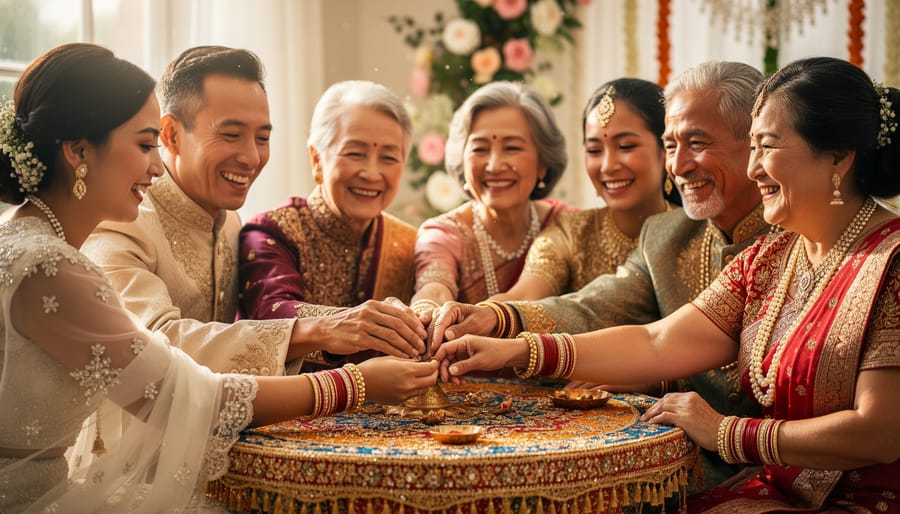
Incorporating cultural traditions into modern weddings typically starts months before the big day, with couples researching their family histories and having candid conversations with parents and grandparents. Many reach out to cultural advisors, religious leaders, or community elders who can explain the deeper meanings behind specific rituals and guide proper implementation. Wedding planner Sarah Chen notes that her most successful multicultural celebrations happen when couples start these conversations early: “The families who involve elders from the planning stage create the most authentic, emotionally resonant moments.”
The integration process requires careful timeline planning. Traditional ceremonies often follow specific sequences, a Chinese tea ceremony might happen the morning before the main event, while a Jewish hora typically occurs during the reception. Couples decide whether to weave traditions throughout the day or dedicate specific moments to each culture. Some choose non-traditional wedding formats that allow more flexibility, perhaps spreading celebrations across weekend wedding venues to give each tradition proper space.
Balancing authenticity with personalization is where modern couples shine. Maria and James, married in Vancouver last spring, honored Maria’s Colombian heritage through a lasso ceremony but adapted the traditional white rope to include both their family tartans woven together. They worked with Maria’s grandmother to ensure the blessing remained authentic while reflecting their blended identity.
The key is respecting the tradition’s core meaning while making it genuinely yours. Couples who treat cultural rituals as living practices rather than museum pieces create ceremonies that feel both rooted and fresh, honoring the past while celebrating their unique love story.
Types of Cultural Wedding Traditions to Consider
Asian Wedding Traditions
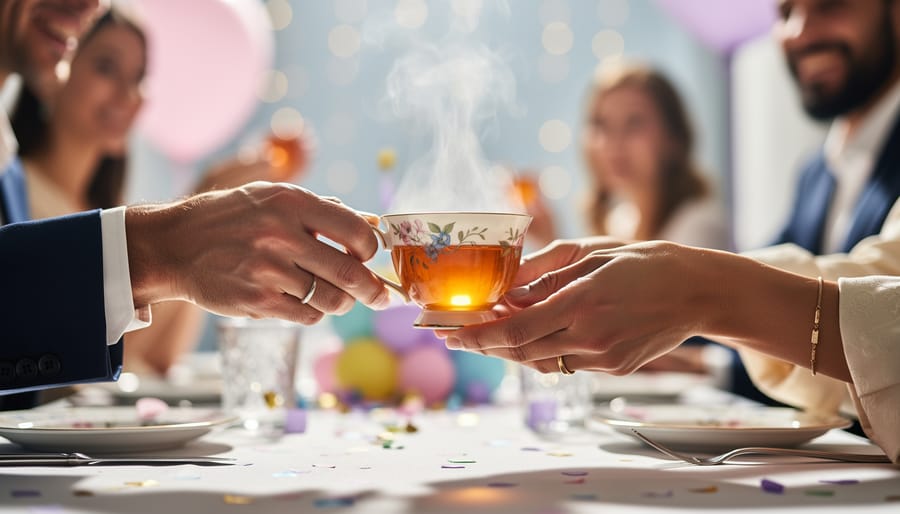
Asian wedding traditions are among the most visually stunning and symbolically rich ceremonies you’ll encounter. Each culture brings distinct rituals that celebrate not just the couple, but the joining of two families.
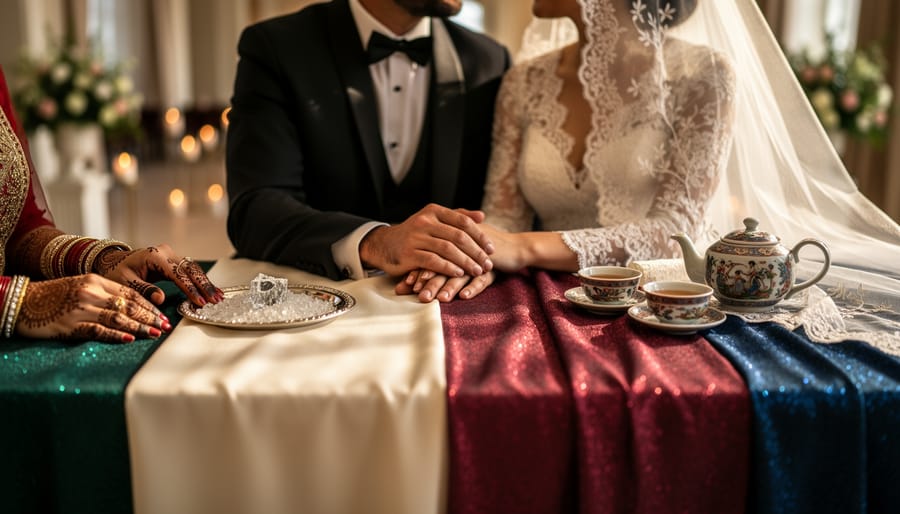
Chinese weddings center around the color red, symbolizing luck and prosperity. The tea ceremony remains the heart of many celebrations, where couples serve tea to elders in order of seniority, receiving blessings and red envelopes in return. This intimate ritual acknowledges family hierarchy and shows respect across generations. Modern couples often hold abbreviated versions during cocktail hour, making it accessible to all guests.
Indian wedding traditions span multiple days of vibrant celebration. The mehndi ceremony involves intricate henna designs applied to the bride’s hands and feet, with folklore suggesting the darker the stain, the deeper the love. Brides traditionally wear red or gold for the ceremony itself, though contemporary interpretations embrace jewel tones. The seven steps (saptapadi) around the sacred fire seal the marriage, each circle representing a different vow.
Japanese couples may incorporate sake sharing (san-san-kudo), where bride and groom take three sips from three cups, symbolizing their union and the joining of families. Korean ceremonies feature the paebaek, a private family ceremony where couples bow to parents and receive advice.
Filipino traditions include the cord and veil ceremony, where sponsors drape a silk cord in a figure-eight around the couple and place a veil over their shoulders, representing unity and protection. When considering traditional attire from these cultures, research authentic wedding dress tips that honor the specific cultural significance of colors, fabrics, and ceremonial garments.
European Wedding Traditions
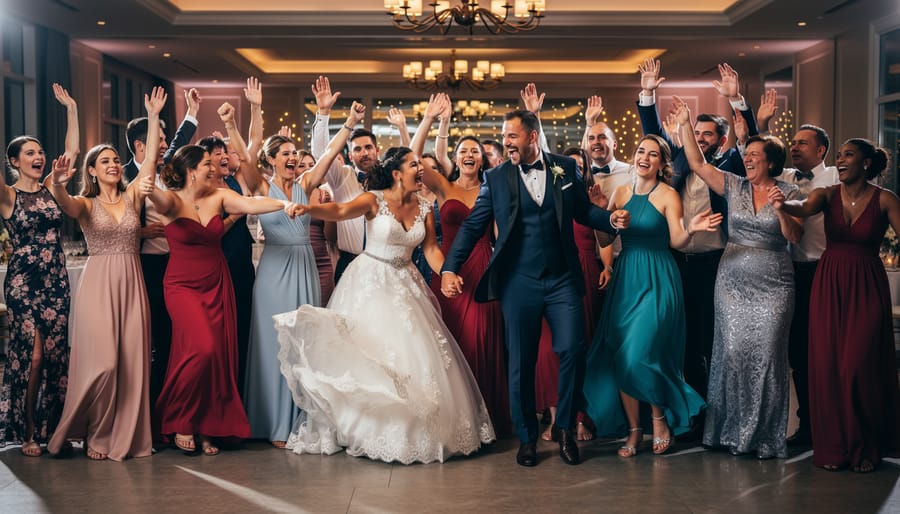
European wedding traditions bring centuries of romance, symbolism, and celebration to modern ceremonies. Each culture offers distinctive rituals that create unforgettable visual moments while honoring deep-rooted customs.
Irish handfasting remains one of the most requested Celtic traditions, where couples literally tie the knot by binding their hands together with ribbon or cord during the ceremony. This ancient practice symbolizes the joining of two lives and families. Some couples choose decorative cords in their wedding colors, while others use family heirlooms passed down through generations. The ritual works beautifully as a standalone ceremony or incorporated into traditional vows.
Greek weddings feature the stunning stefana ceremony, where ornate crowns connected by a ribbon are placed on the couple’s heads by the koumbaros (best man). The crowns, often adorned with pearls, crystals, or natural elements like orange blossoms, symbolize the couple becoming king and queen of their new household. These delicate pieces create breathtaking photos and can be displayed in your home afterward as meaningful keepsakes.
Italian couples know that no reception is complete without the tarantella, a joyful circle dance that brings all guests together in celebration. The energetic music and whirling movements create infectious energy on the dance floor. Many brides also incorporate traditional Italian wedding cakes or bomboniere favors wrapped in tulle.
Scottish highland weddings showcase dramatic tartans, with grooms wearing kilts in their family’s clan pattern. The visual impact of traditional highland dress, complete with sporrans and sgian-dubhs, creates powerful ceremony photos. Couples can also incorporate pipers for processionals or recessionals.
Eastern European money dances invite guests to pin cash to the couple’s clothing while dancing, symbolizing prosperity and good fortune. This interactive tradition gets everyone involved in the celebration while helping fund the honeymoon. When selecting attire for these cultural moments, working with specialists who understand traditional elements will help you find the right gown or suit that honors both heritage and personal style.
African and Caribbean Wedding Traditions
African and Caribbean wedding celebrations pulse with joy, color, and deep historical meaning that transforms ceremonies into powerful expressions of heritage and hope.
One of the most recognized traditions is jumping the broom, a practice rooted in West African culture that gained profound significance during slavery when enslaved people weren’t permitted legal marriages. Couples literally jump over a decorated broom together, symbolizing sweeping away their past lives and leaping into their new union. Today, this tradition honors ancestors while celebrating freedom and commitment. The broom itself becomes a cherished keepsake, often adorned with ribbons, flowers, and family colors.
The tasting of the four elements offers couples a sensory journey through marriage’s realities. They sample something sour (for life’s difficulties), bitter (to remind them hardships will come), sweet (celebrating the good times), and spicy (representing passion and excitement). This ritual acknowledges that marriage encompasses all flavors of life, preparing couples to face challenges together while savoring beautiful moments.
Kola nut ceremonies, prevalent in Nigerian and Ghanaian weddings, involve the groom’s family presenting kola nuts to the bride’s family as a gesture of respect and goodwill. The breaking and sharing of kola nuts symbolizes unity between families and communities.
Caribbean weddings dazzle with vibrant traditional attire featuring bold prints, head wraps, and flowing fabrics in brilliant jewel tones. Steel drum music, rum cake traditions, and spirited dancing create an atmosphere of pure celebration where guests don’t just witness a wedding, they become part of an unforgettable cultural experience bursting with warmth and community spirit.
Latin American Wedding Traditions
Latin American weddings burst with warmth, color, and deeply symbolic rituals that celebrate not just the union of two people, but the joining of entire families. These traditions, practiced across Mexico, Spain, and throughout Central and South America, weave faith, community, and ancestry into every moment of the celebration.
The lasso ceremony, or lazo, stands as one of the most visually stunning unity rituals. During this blessing, sponsors drape a floral garland, oversized rosary, or decorative rope in a figure-eight pattern around the couple’s shoulders. This infinite loop symbolizes their eternal bond and God’s protection over their marriage. The lasso remains in place through prayers and blessings before being carefully removed and often saved as a cherished keepsake.
The arras ceremony involves thirteen gold coins presented in an ornate box or chest. The groom gives these coins to the bride as a promise to provide for their family, while her acceptance signifies trust and shared responsibility for their household’s prosperity. Each coin represents a different blessing, from good fortune to spiritual wealth.
Padrinos and madrinas, godparents or sponsors, play essential roles beyond typical Western attendant duties. These chosen family members and close friends sponsor specific elements like the wedding cake, flowers, or Bible, creating a network of support and blessing around the marriage. Their involvement reflects the Latin American value that marriage extends far beyond the couple to embrace extended family.
Live mariachi bands bring infectious energy to Mexican celebrations, their joyful serenades creating an atmosphere of pure celebration that keeps generations dancing together late into the night.
Middle Eastern and Jewish Wedding Traditions
Middle Eastern and Jewish wedding traditions weave together centuries of spiritual symbolism with exuberant community celebration, creating ceremonies rich in meaning and joy.
The henna night, celebrated across Middle Eastern cultures the evening before the wedding, gathers women from both families for an intimate ritual. Intricate henna designs adorn the bride’s hands and feet while guests sing traditional songs and share blessings. This ancient practice symbolizes good fortune, fertility, and the transformation from daughter to wife. Modern couples often host co-ed henna parties, blending traditional artistry with contemporary celebration.
Jewish weddings center on profound symbolic moments. The ketubah signing before the ceremony creates a sacred marriage contract outlining the couple’s commitments, often beautifully illustrated and displayed as art afterward. During the ceremony, couples stand beneath a chuppah (a decorative canopy representing their future home), open on all sides to symbolize hospitality and an inclusive life together.
Breaking the glass at the ceremony’s conclusion sparks the most recognizable tradition. While interpretations vary, many see it as remembering Jerusalem’s destruction even during joyful moments, or acknowledging that marriage requires careful nurturing like fragile glass. The sound signals the start of exuberant celebration.
The hora dance transforms receptions into spirited community gatherings. Guests link arms in concentric circles, lifting the newlyweds on chairs as traditional music fills the room. This collective joy embodies how marriage joins not just two people but entire communities in celebration and support.
How to Incorporate Cultural Traditions Into Your Wedding
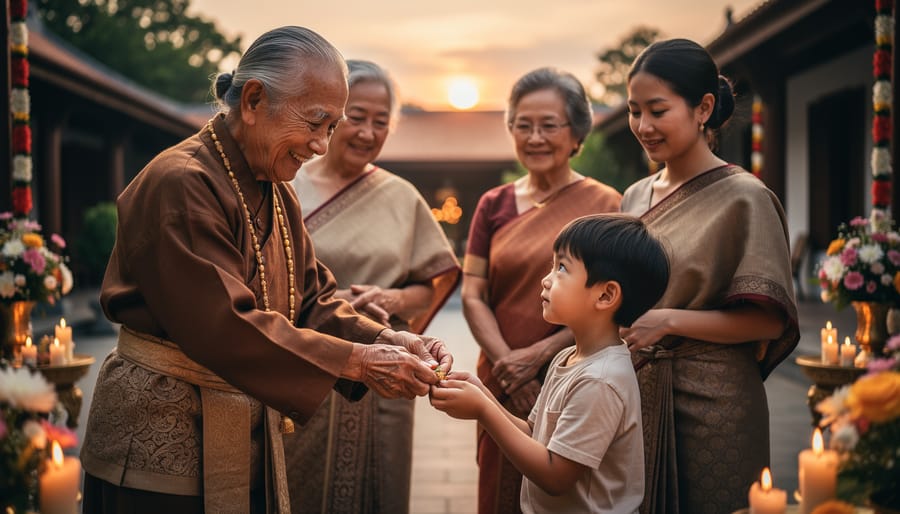
Blending Multiple Cultural Backgrounds
When you and your partner come from different cultural backgrounds, your wedding becomes a beautiful opportunity to weave two stories into one celebration. The key is approaching both traditions with equal respect and intentionality rather than treating one as the “main” ceremony and the other as an add-on.
Start by sitting down together and listing the traditions that matter most to each of you. Focus on the rituals that carry genuine personal or family significance, not just what looks pretty in photos. Many couples find success alternating traditions throughout the ceremony timeline, perhaps incorporating a Chinese tea ceremony during the pre-ceremony period and a Jewish glass-breaking at the conclusion.
Consider creating a unified ceremony structure where traditions complement each other. A Filipino cord and veil ceremony can beautifully follow Celtic handfasting, as both symbolize unity and binding together. Work with an officiant experienced in multicultural weddings who can explain each ritual’s meaning to guests and create smooth transitions.
Be mindful of cultural appropriation by ensuring you’re honoring traditions from your own heritage or your partner’s, not borrowing from cultures neither of you belongs to simply because they’re aesthetically appealing. When in doubt, consult family elders or cultural advisors who can guide you toward authentic, respectful implementation.
Working With Your Vendors
Start conversations with vendors early about your cultural traditions, don’t wait until final planning meetings. Share specific details about timing, special rituals, required equipment, and symbolic elements they need to capture or accommodate. Photographers should understand key moments like tea ceremonies or henna applications to position themselves correctly. Caterers need advance notice about dietary requirements, traditional dishes, or ceremonial food presentations.
Ask potential vendors about their experience with your specific cultural traditions during initial consultations. Request examples of past weddings featuring similar customs. Wedding planners with cultural competence can anticipate logistical needs you might not consider, like timing breaks for prayer or arranging seating for elder participation in rituals.
Create a detailed timeline document highlighting cultural moments with brief explanations. Include pronunciation guides for ceremony elements and names. This preparation helps vendors deliver service that honors your traditions authentically rather than treating them as generic additions to a standard wedding format.
Educating Your Guests
Your wedding program offers the perfect opportunity to educate guests about your cultural traditions. Include a brief explanation next to each ceremonial element in your timeline, using simple language that captures the tradition’s meaning without overwhelming readers. Wedding planner Maria Santos recommends keeping descriptions to one or two sentences: “Guests want to understand the ‘why’ behind what they’re witnessing, but they won’t read paragraphs during your ceremony.”
Consider placing elegant signage near reception displays that showcase cultural elements. A small card beside your tea ceremony setup or unity ritual table can explain the symbolism while guests mingle. Your officiant can also weave brief explanations into the ceremony itself, making these moments feel naturally integrated rather than separate cultural performances.
For multicultural weddings, some couples create beautiful infographic-style inserts for programs or design custom cocktail napkins featuring key symbols with their meanings. These keepsakes help guests feel included in your celebration while honoring the traditions that make your wedding uniquely yours.
Common Questions About Incorporating Wedding Traditions
How do we choose which traditions to include without offending family members?
Start with open conversations early in your planning process to understand which traditions hold the most meaning for each side of the family. Prioritize elements that both of you connect with personally, and explain your choices with honesty and respect, most families appreciate when couples thoughtfully honor heritage rather than include every custom by obligation.
Is it cultural appropriation to incorporate traditions from cultures we’re not part of?
Including traditions solely for aesthetics without personal connection can be inappropriate. If a cultural element resonates with you, research its true meaning, consult with people from that community, and give proper context to your guests about why you’ve chosen to honor it, authenticity and respect are what separate meaningful incorporation from appropriation.
Do cultural traditions significantly increase wedding budgets?
Not necessarily. Many meaningful traditions like handfasting, breaking the glass, or unity ceremonies require minimal investment beyond symbolic items and thoughtful planning. The key is to keep what matters most to your relationship rather than feeling pressured to execute elaborate versions of every custom.
How much time should we allocate for cultural rituals during the ceremony?
Most individual traditions take between two and ten minutes, though some like full tea ceremonies or elaborate dances may require longer. Work with your officiant to create a comfortable ceremony flow that honors these moments without making guests restless, typically, ceremonies incorporating multiple cultural elements run 30 to 45 minutes total.
Remember that your wedding should tell your unique story. Wedding planners consistently note that the most memorable celebrations happen when couples trust their instincts about which traditions genuinely reflect their values and heritage. Don’t feel obligated to include something simply because it’s expected, the traditions you embrace wholeheartedly will create the most powerful emotional moments for you and your guests.
Your wedding should tell your story, not follow a script someone else wrote. The most beautiful celebrations happen when couples choose traditions that genuinely resonate with their hearts, whether that means honoring generations of family heritage, blending cultures with intention, or creating entirely new rituals that reflect your unique journey together.
There’s no right or wrong way to incorporate cultural traditions. What matters is authenticity, selecting elements that hold real meaning for you and your partner, then weaving them into your day in ways that feel true to who you are. Maybe that’s a full traditional ceremony, or perhaps it’s one meaningful ritual that connects you to your roots.
As we celebrate weddings in 2026, we’re seeing couples embrace diversity in remarkable ways. They’re researching family histories, consulting elders, and thoughtfully blending customs that create rich, layered celebrations. These weddings don’t just unite two people, they honor the beautiful complexity of love across cultures, generations, and traditions.
Trust your instincts. Choose what moves you. Your wedding will be perfect when it genuinely reflects the love you share.